Plumbing · Red Boiling Springs, TN
Each job follows documented procedures that begin with locating the line and recording its condition before any repair decision is made. Materials are selected to match the existing pipe where possible so the repair integrates with the rest of the system.
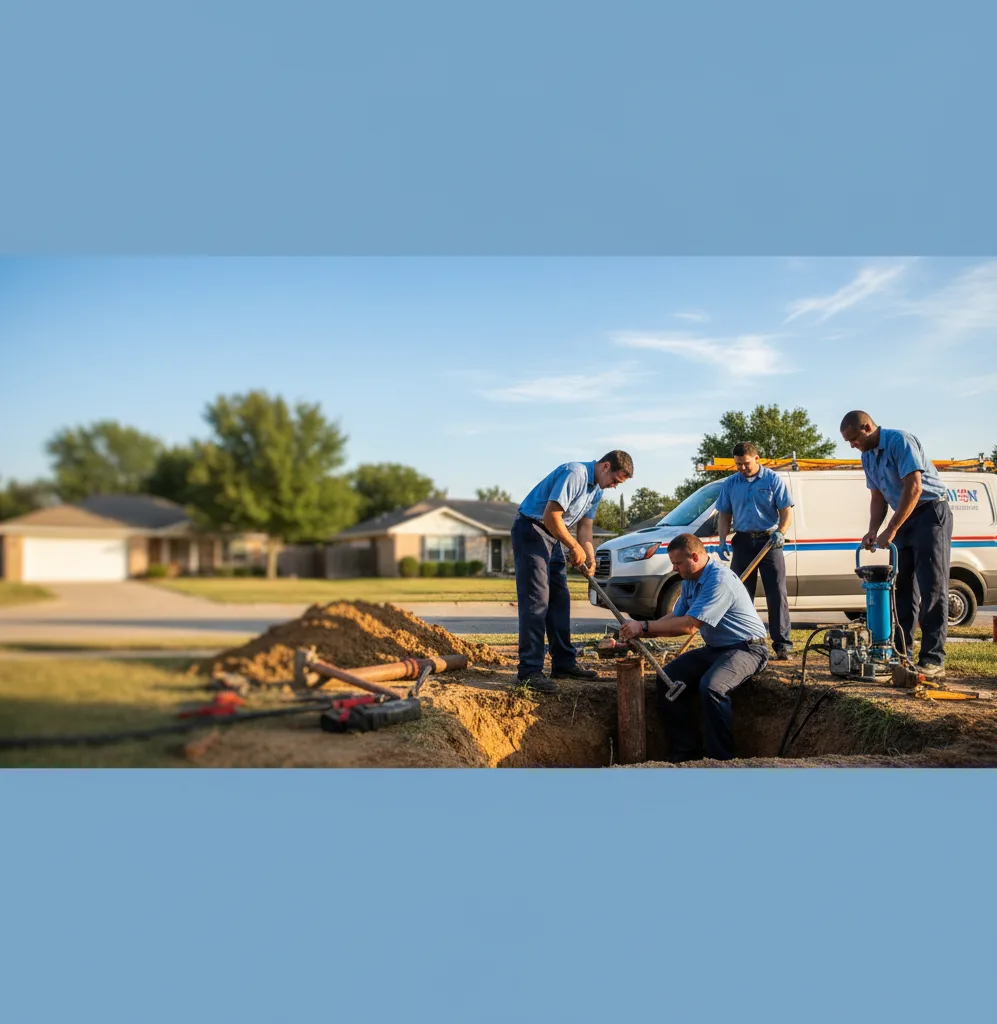
Multiple drains that empty slowly at once, gurgling sounds from lower fixtures, or water backing up in a basement cleanout often indicate the main line rather than a single fixture that drain cleaning could resolve. A camera is run from the cleanout or roof vent to record the pipe interior, showing whether roots have entered joints, the line has settled, or a section has collapsed. Once the footage is reviewed, the crew determines whether spot repair, sectional lining, or full replacement is the appropriate next step. Soil conditions around the pipe are also checked because shifting ground can create new low spots that collect debris. Homeowners can note which fixtures are affected and whether the problem occurs after heavy rain, but the camera remains the reliable way to confirm the source.
Older clay or cast-iron sections develop cracks at the bell-and-spigot joints where roots find an opening that hydrojetting can address. Newer PVC can separate if the bedding beneath it was not compacted evenly during original installation. The camera footage reveals the distance from the cleanout to the first defect so the crew can plan access points that avoid unnecessary digging. In some cases a single joint can be excavated and replaced; in others the entire run between the house and the street connection requires attention. The inspection also checks the connection at the property line to confirm responsibility before any work begins, and leak detection helps pinpoint hidden issues early.
The ground conditions play a major role in how sewer lines are installed and maintained. The soil under many homes and streets consists of clay-heavy soil. This affects excavation needs and long-term pipe stability in different ways depending on drainage and composition.
Water quality also contributes to the state of plumbing systems over the years. Corrosion or buildup inside pipes can develop based on mineral content.
Weather patterns further influence underground infrastructure. Conditions include hot summers and cold winters, dry air, and 75 nights below freezing. Areas often face clay-heavy ground, a real freeze risk each winter and a dry climate. These factors determine the frequency of certain repair types.
FAQ

Noise usually comes from sediment that has settled at the bottom of the tank and is being heated repeatedly. The sound can range from popping to rumbling depending on how much material has accumulated. Flushing the tank removes most of the sediment and quiets the unit. In some cases the dip tube has broken and is directing cold water directly onto the heating element, which also creates noise.
The task requires shutting off power or gas, draining the tank, and working with electrical connections or gas fittings. Incorrect reassembly can create leaks or safety hazards. Most homeowners lack the specific tools needed to torque the new element correctly. A licensed technician performs the replacement and tests the unit afterward.
The interval depends on local water hardness and how much hot water the household uses. In areas with moderate hardness, once a year is usually sufficient. Homes with very hard water may benefit from flushing every six months. A technician can check the amount of sediment during the first service call and recommend a schedule based on what is found.
Water Heater Repair & Plumber across Red Boiling Springs, TN. Call (888) 205-2213.
Call (888) 205-2213